LILONGWE, Malawi — The Linthipe River once carried the lifeblood of central Malawi, its steady pulse dictating the rhythm of the planting seasons. Today, it behaves like a monster waking from a fitful sleep. In early 2026, the river broke its banks not with life-giving water, but with a suffocating blanket of gray silt that swallowed the earth whole.
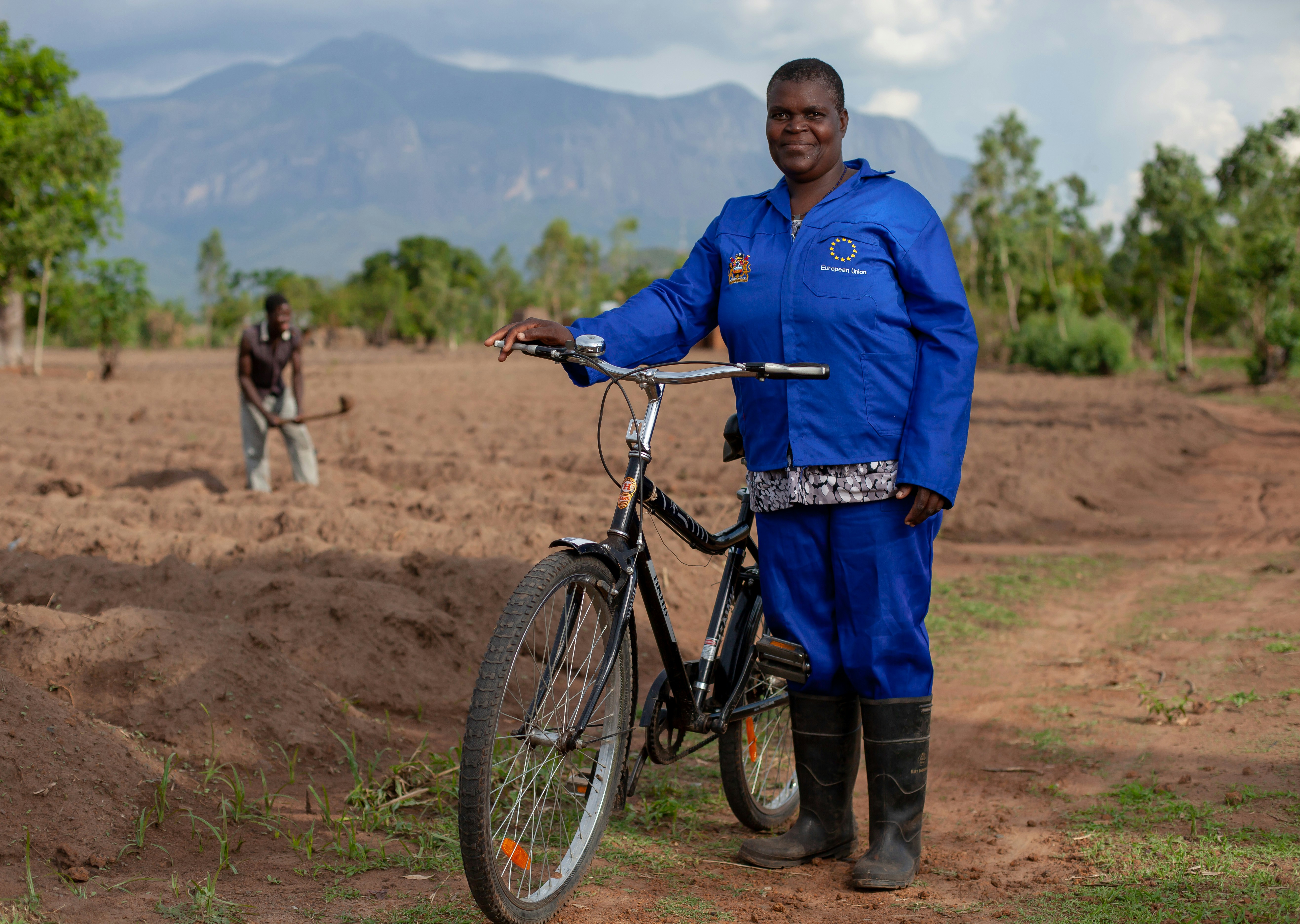
Standing at the edge of her two-hectare plot, Miriam Banda, 42, scrapes the dry, cracked ground with her foot. Her soil, once rich and dark, has been scrubbed clean of its nutrients.
"The rain used to be a faithful partner," she says softly, her voice barely rising above the wind rattling the dry grass. "Now, it is a thief that comes in the night. It takes our topsoil, poisons our seeds, and leaves us with empty bowls to show our children."
Banda’s ruined farm is a single drop in a rising tide of economic devastation.
At the 5th African Regional Conference on Loss and Damage, convened by the Pan African Climate Justice Alliance (PACJA) in late March this year, officials linked individual struggles like hers to the continent’s wider financial reality.
According to Samuel Kirichi with the Food and Agriculture Organization (FAO) in Malawi, the agricultural sector across Africa loses USD $144 billion annually to climate impacts.
"That is nearly equivalent to the entire GDP of Kenya," Kirichi told delegates. "Without immediate intervention, the continent will continue to drown in these compounding losses."
Equivalent to the total annual GDP of Kenya.
The human and economic costs have created a clear case for climate justice. Africa contributes less than 4% of global greenhouse gas emissions but suffers first and worst. Despite high-level international summits and major pledges, the financial promises remain trapped in transit, failing to reach the frontline communities that need them most.
The Sovereign Debt Noose
To understand why a local disaster in Malawi becomes a permanent financial trap, one must look at Africa’s broader macroeconomic crisis. As the continent prepares to service a $95 billion external debt bill, African nations are being crushed under a dual burden of rising repayment costs and accelerating climate devastation.
African Macroeconomic Reality (2025/2026)
Data from the UN Economic Commission for Africa (UNECA) indicates that Africa’s public debt-to-GDP ratio will hover around 63% to 64%, with interest payments absorbing an average of 15% to 17% of total government revenues. In some of the hardest-hit sub-Saharan economies, over 40% of total public revenue is swallowed by debt obligations, outstripping national spending on health and education combined.
This sovereign debt crisis actively prevents climate resilience. According to a joint 2025 Debt Relief for Green and Inclusive Recovery (DRGR) report over 50% of the annual climate finance flowing into sub-Saharan Africa arrives as loans, not grants.
This dynamic traps countries in a vicious cycle: borrowing money to rebuild after a disaster, which increases the debt burden, which in turn reduces the funds available for future adaptation.
"Governments are defaulting on their own development to avoid defaulting on their creditors," the report warns.
Credit Bias and the 10% Bottleneck
The problem is compounded by a global financial system that penalizes African countries before they even enter the capital markets. According to the African Peer Review Mechanism (APRM), global credit rating agencies apply biased risk assessment methodologies to African sovereign issuers. This results in inflated borrowing costs, forcing African countries to pay up to four times more for green investments than their counterparts in the West.
Furthermore, the conference in Lilongwe focused heavily on the structural failures that keep the little funding that exists out of local hands. While international mechanisms exist on paper, administrative hurdles act as a dam.
"Evidently, only 10% of climate finance reaches vulnerable communities due to existing bureaucracies," noted Charles Mwangi, Head of Programs at the Pan African Climate Justice Alliance (PACJA). "We need radical transparency and direct investment in our local institutions."
Global Climate Finance Distribution
For farmers like Banda, this lack of localized funding translates to a severe adaptation deficit. There is no money to build elevated grain silos, reinforce riverbanks with gabions, or establish local seed banks. Instead, the money remains trapped in international capitals, leaving rural communities vulnerable to the next storm.
The Long Road to Antalya and the Push for Reform
This structural gap has become the central battleground in the UNFCCC negotiations heading into the critical summits of late 2026.
The 2024 Baku Agreement established the New Collective Quantified Goal (NCQG), aiming to mobilize $300 billion annually for developing countries by 2035. However, African negotiators and civil society groups decried the figure as completely detached from reality. The UNFCCC’s Standing Committee on Finance estimates that the actual costed needs for developing countries sit between $5 trillion and $6.8 trillion cumulatively by 2030.
Comparison of Annual Need vs. Delivery
Estimated Annual Global Need: $400B to $800B COP29 Agreed Target (by 2035): $300B
Actual African Climate Inflow: $35B
As countries submit their updated Nationally Determined Contributions (NDCs), African leaders are demanding structural accountability from global financial institutions. The push leading into the [COP31 negotiations in Antalya]. COP 31 centres on moving away from private, market-rate debt and enforcing dedicated grant-based funding for adaptation and Loss and Damage.
A Case for Real-World Action
The Civil Society Network on Climate Change (CISONECC), which convened the summit, summarized the required reforms in its final communiqué:
1. State-Contingent Debt Instruments (SCDIs): Redesigning international debt contracts to automatically pause debt servicing when a climate disaster occurs, immediately freeing up local cash for relief efforts.
2. Grants, Not Loans: Bypassing private creditors who extract more from developing economies than they disburse. Pledges must translate to direct grants to prevent a generational debt trap.
3. Equitable Credit Rating Methodologies: Reforming risk assessment models to reflect the true economic realities of the Global South, lowering the cost of capital for green transition projects.
"Actions Delivered"
In her opening remarks at the summit, Malawi’s Minister of Natural Resources, Patricia Whiskes, emphasized that patience on the continent has run out.
"The real test lies not in the commitments made, but in the actions delivered," Minister Whiskes said. "We cannot afford delays. For our communities, the impacts are happening right now.".
As the summit concluded, African non-state actors and organizations like the Tax Justice Network Africa (TJNA) pledged to keep pushing for fair, accessible climate finance at upcoming global negotiations.
Back in the Salima District, Miriam Banda prepares her land for the next planting season. She doesn't have the luxury of waiting for the outcome of international negotiations.
"We are not asking for charity," she says as she turns over the gray earth. "We are asking for the tools to survive what is coming next."